First Steps After a Louisville Flooded Basement
When a storm dumps inches of rain in a short time, a Louisville flooded basement can happen fast. Before you move anything or start mopping, safety comes first. If water is still rising or you see downed power lines, stay out. Once the storm passes, check for electrical hazards: never wade into standing water if outlets, appliances, or the breaker panel are submerged. Turn off power at the main breaker only if you can do so from a dry location. Then ventilate the space by opening windows and using fans, but avoid creating a draft that pulls moisture into other rooms.
Next, document everything. Take photos and videos of the water line, damaged items, and any visible cracks in the floor or walls. This record helps with insurance claims and gives a waterproofing professional a clear starting point. If the water is more than an inch deep or covers electrical outlets, call a water damage specialist before you enter. For shallow water, wear rubber boots and gloves, and remove wet cardboard, rugs, and stored items that can hold moisture and grow mold within 24 to 48 hours.
Check for Water Entry Points and Structural Damage
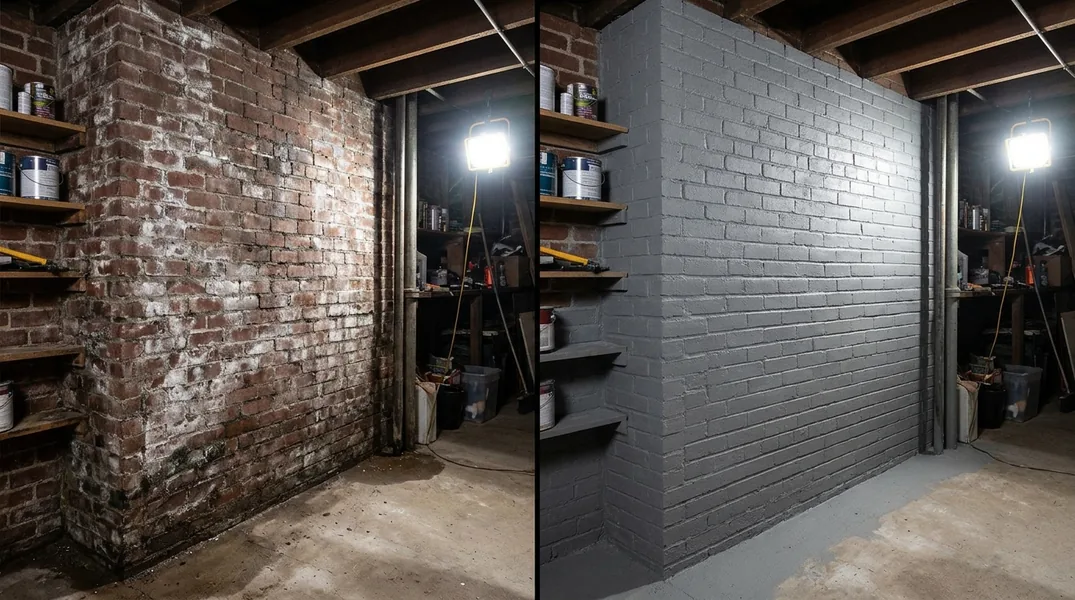
Once the basement is safe to inspect, look for where the water came in. Common entry points after a heavy storm include the cove joint (where the floor meets the wall), floor cracks, wall cracks, window wells, and the sewer line. In Shively and other low-lying areas near Beargrass Creek, St. Matthews, and Jeffersontown, hydrostatic pressure from saturated soil can force water through even hairline cracks. Check the base of walls for bubbling paint, white powdery residue (efflorescence), or rust stains on nails, all signs of long-term moisture.
Inspect the floor for new cracks or heaving. A cracked or uneven slab may indicate soil movement or a failing sump pump. Test your sump pump by pouring a bucket of water into the pit: if it doesn't kick on, the motor or float switch may be damaged. Also check the discharge line for clogs or freezing. If you find multiple entry points or standing water that won't drain, it's time to call a professional for a Basement Waterproofing assessment. A pro can identify whether you need an Interior Drain Tile System or Exterior Basement Waterproofing to stop the water at its source.
Ohio River Flooding and Basement Water: What to Know
Ohio River flooding is a different beast than a typical cloudburst. When the river crests, groundwater levels rise across the metro, and sump pumps run nonstop. If your basement floods during river flooding, the water may be contaminated with sewage or chemicals, so wear protective gear and disinfect surfaces after cleanup. Check for a sewer backup: if water smells foul or comes up through floor drains, stop using water in the house and call a plumber. Sewer backups require a backwater valve to prevent recurrence.
After the water recedes, look for signs of foundation stress: new cracks wider than a quarter inch, doors that stick, or gaps around window frames. These can signal that saturated soil has shifted the foundation. Foundation Waterproofing may be needed to stabilize the structure and keep future floodwater out. Don't wait for the next storm. A professional inspection now can save you thousands in repairs later.
Flood Prevention: Steps to Take Before the Next Storm
Flood prevention starts with managing water around your home. Clean gutters and downspouts, and make sure downspouts discharge at least 6 feet away from the foundation. Grade the soil so it slopes away from the house. If you have window wells, keep them clear of debris and consider covers. Test your sump pump monthly and install a battery backup in case of power outages, which are common during severe storms in Louisville.
For long-term protection, consider a Interior Drain Tile System that captures water before it reaches the floor, or Exterior Basement Waterproofing that seals the foundation from the outside. If you're unsure which solution fits your home, request a free estimate from Louisville Waterproofing. We'll inspect your basement, identify vulnerabilities, and recommend a plan that fits your budget. Call (502) 679-4421 to schedule your inspection today.
Basement Waterproofing Near Me: When to Call a Pro
Some homeowners can handle minor seepage with a dehumidifier and sealant, but recurring water after storms signals a bigger problem. Call a professional if you see water more than once a year, if cracks are widening, if your sump pump runs constantly, or if you notice mold or musty odors that won't go away. These are signs that your basement needs a permanent solution, not a quick fix.
At Louisville Waterproofing, we specialize in diagnosing and solving basement water issues across the area. Whether you need foundation repair, drainage, or full waterproofing, we'll give you a straightforward assessment and pricing with no surprises. Don't let the next cloudburst catch you off guard. Reach out today to protect your home and your peace of mind.
Looking for a professional basement waterproofing contractor in Louisville? Louisville Waterproofing responds fast for all your basement waterproofing needs.
Get a Free QuoteOur services: Basement Waterproofing · Interior Drain Tile System · Exterior Basement Waterproofing