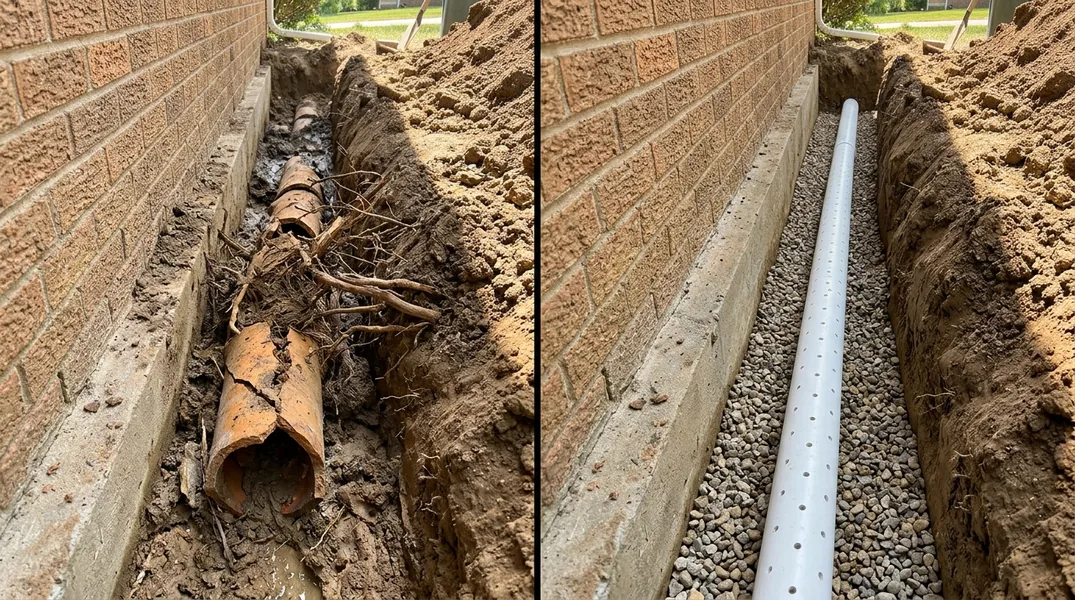
Why Older Louisville Homes Are Prone to Foundation Trouble
If you own a home in Louisville, there is a good chance your house has stood for decades, maybe even a century. That kind of history brings character and charm, but it also brings foundation challenges that newer construction simply does not face. The soil conditions around the city, combined with aging building materials, create a perfect storm for foundation problems signs that every homeowner should recognize.
Many older homes here sit on clay-heavy soil that expands when wet and shrinks when dry. This constant cycle of movement puts stress on foundations that were built before modern waterproofing standards existed. Add in the freeze-thaw cycles of a Kentucky winter and the heavy spring rains, and you have a recipe for cracks, settling, and water intrusion. Understanding these local conditions is the first step toward protecting your investment.
Basement Wall Cracks: What They Mean and When to Worry
Not every crack in a basement wall is a crisis, but some are. Hairline vertical cracks are often caused by concrete shrinkage as the material cured decades ago, and they may be relatively harmless on their own. However, when those cracks widen, run horizontally, or appear alongside water staining, they are telling you something important about the structural health of your home. Horizontal cracks are particularly concerning because they often indicate soil pressure pushing against the wall.
Stair-step cracks in block foundations are another red flag. These usually point to settling or shifting of the foundation footing. If you notice any of these patterns, it is worth scheduling a professional inspection. Catching Basement Waterproofing issues early can save you from much larger repairs down the road. A trained eye can distinguish between cosmetic cracks and ones that signal real trouble.
Bowing Basement Wall: A Sign You Should Never Ignore
A bowing basement wall is one of the most serious foundation problems signs a homeowner can encounter. When a wall bulges inward, it means the pressure from outside soil and water has become too great for the wall to resist. In older homes, this is often the result of years of hydrostatic pressure combined with deteriorating drainage systems that were never designed for modern rainfall levels.
Ignoring a bowing basement wall is not an option. The movement rarely stops on its own, and the structural implications can affect the entire house above. If you see a wall that curves inward or notice that the top of the wall has separated from the floor joists, it is time to call in professionals. Solutions may include Foundation Waterproofing combined with wall stabilization techniques. The sooner you act, the more options you have.
Shotgun House Foundation Issues: A Local Specialty
Louisville is known for its historic shotgun houses, those long, narrow single-story homes that are iconic in many of the city's older neighborhoods. While these homes are beloved for their architectural character, their foundations present unique challenges. Shotgun houses were often built on pier-and-beam foundations or shallow masonry footings that were not engineered for modern drainage demands.
Common issues include uneven floors, doors that stick or swing open on their own, and visible settling at the corners. Because these homes are long and narrow, foundation movement at one end can create a ripple effect throughout the structure. If you live in a shotgun house and have noticed any of these symptoms, it is worth having a specialist evaluate the foundation. Local expertise matters here, and a company familiar with Shively and other historic neighborhoods will understand the specific construction methods used in these homes.
Foundation Problems Signs Near Me: When to Call a Professional
Some homeowners in St. Matthews and across the metro area wonder whether they are overreacting to a crack or a damp spot. The truth is, foundation issues rarely improve on their own, and the cost of waiting almost always exceeds the cost of early intervention. Signs that warrant a professional call include persistent musty odors in the basement, efflorescence (white powdery deposits) on walls, water pooling near the foundation, and any crack wider than a quarter inch.
If you are searching for foundation problems signs near me, the best move is to get a professional assessment rather than guess. A qualified contractor can identify the root cause and recommend a solution tailored to your home. Whether you need an Interior Drain Tile System or a more comprehensive approach, having a clear diagnosis is the first step. You can reach Louisville Waterproofing at (502) 679-4421 to discuss your concerns.
Protecting Your Older Home: Next Steps for Louisville Homeowners
Older homes in Jeffersontown and throughout the Louisville area have stood the test of time, but they need proactive care to keep standing strong. Regular inspections, proper drainage maintenance, and timely repairs are the keys to preserving both the structural integrity and the value of your property. Do not wait for a small crack to become a major structural issue.
If you have noticed any of the signs discussed here, or if you simply want peace of mind about the condition of your foundation, reach out for a free estimate. Louisville Waterproofing serves homeowners across the metro with solutions designed for the specific challenges of older homes. Call (502) 679-4421 today to schedule your inspection and take the first step toward protecting your home for generations to come.
Looking for a professional basement waterproofing contractor in Louisville? Louisville Waterproofing responds fast for all your basement waterproofing needs.
Get a Free QuoteOur services: Basement Waterproofing · Interior Drain Tile System · Exterior Basement Waterproofing